From hoard to home: Kilburn flat clearance before and after
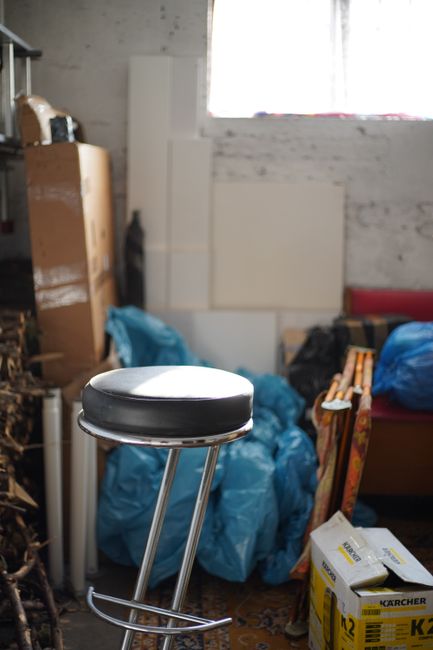
If you have ever stood in a Kilburn flat and wondered how a room that should feel airy somehow ended up boxed in by bags, broken furniture, and years of "I'll deal with that later," you are not alone. From hoard to home: Kilburn flat clearance before and after is really about more than emptying a property. It is about making a flat usable again, safely and without the stress turning into a full-blown weekend disaster.
In a neighbourhood like Kilburn, where many homes have narrow staircases, limited parking, and not much room to stage items, flat clearance needs a bit of planning. Done well, the change can be dramatic. One visit, and a cluttered, heavy-feeling space becomes something calmer, cleaner, and ready for its next chapter. Let's look at what that actually involves, why it matters, and how to approach it sensibly.
Why From hoard to home: Kilburn flat clearance before and after Matters
There is a practical side to flat clearance, and then there is the human side. The practical side is obvious enough: you need floor space, access, and somewhere to put the things that matter. The human side is where the real difference shows up. A cluttered flat can affect how a home feels the moment you walk through the door. It can make everyday jobs harder, from cleaning the kitchen to opening a bedroom window without nudging a stack of boxes.
In Kilburn, that matters even more because many flats are compact. A hallway piled with old furniture is not just inconvenient; it can become a genuine obstruction. If the property is rented, being able to return it in decent condition may help avoid disputes. If it is a family home, a probate property, or a flat being prepared for sale, the visual change can alter how the space is received immediately. Before and after is not just about photos. It is about function.
There is also an emotional layer. Some flats become crowded slowly, over years. Others fill quickly after a bereavement, a move, or a major life change. When that happens, people often need a service that is calm, respectful, and straightforward. Not dramatic. Not judgemental. Just practical.
Expert takeaway: A good Kilburn flat clearance should leave the space safer, lighter, and easier to use, while handling items in a way that feels organised rather than rushed.
How From hoard to home: Kilburn flat clearance before and after Works
Although every property is different, the process usually follows a clear pattern. The best clearances do not begin with lifting. They begin with understanding. You need to know what stays, what goes, what needs careful handling, and whether anything requires special disposal. That is especially true in flats where access can be awkward or where the contents include mixed materials, bulky furniture, or fragile items.
Here is the basic flow most people can expect:
- Initial assessment - The flat is looked over to gauge volume, access, item types, and any hazards.
- Sorting - Keep, donate, recycle, and dispose decisions are made before work starts.
- Safe removal - Items are carried out carefully, often through tight stairways or shared entrances.
- Separation of materials - Reusable and recyclable items are separated where possible.
- Responsible disposal - Waste is taken away for appropriate handling rather than simply dumped. That bit matters.
- Final sweep - The property is left clear enough for cleaning, viewing, decorating, or handover.
For a hoarded or heavily cluttered flat, there may be a few extra steps. Sometimes items are bagged room by room. Sometimes access routes need to be protected. Sometimes the front room is cleared first so there is a safe working corridor. Simple on paper, perhaps. In practice, it needs some judgement.
Truth be told, the before-and-after effect is usually strongest when the clearance is staged rather than rushed. Clear one zone, then another. It sounds almost too obvious, but it saves time and avoids that chaotic "where do we even start?" feeling.
Key Benefits and Practical Advantages
There are obvious benefits to clearing a flat, but some are less visible until the work is done. The most immediate one is space. Once the heavy objects and accumulated clutter are gone, rooms can breathe again. Light reaches corners. Doors open fully. Floors become visible. It sounds small. It is not small when you live with it every day.
Other practical advantages include:
- Easier cleaning and maintenance - You can actually vacuum, wipe, and inspect surfaces properly.
- Improved safety - Fewer trip hazards, better access to exits, and less risk from unstable piles.
- Better property presentation - Useful for selling, letting, or preparing for a renovation.
- Less emotional pressure - A manageable room often makes the next decision easier.
- More efficient use of the flat - Storage becomes intentional instead of accidental.
There is also a financial angle. A cleaner, clearer flat can be easier to rent or market. That does not mean every clearance directly raises value, but it can certainly improve first impressions. And first impressions, as we all know, are stubborn things.
One practical point worth mentioning: a clear flat may also reveal hidden issues such as damp, worn flooring, blocked vents, or damaged fixtures. That is not bad news. It is useful information. Better to find it now than later.
Who This Is For and When It Makes Sense
Flat clearance is not just for extreme hoarding situations, though that is one obvious use. In reality, plenty of ordinary situations lead people to search for a "before and after" solution in Kilburn. The clue is often not how messy the flat looks from the outside, but how difficult it has become to live in or hand over.
This kind of service tends to make sense for:
- Landlords dealing with tenant left-behinds or move-out clutter.
- Homeowners preparing to sell, renovate, or downsize.
- Families sorting a property after bereavement.
- Tenants who need to restore a flat quickly and properly.
- Executors or solicitors managing estate clearance work.
- People with limited mobility who need the job done safely and without strain.
A common scenario in Kilburn is a flat with one overfilled room that gradually affects the whole home. Boxes spread. Furniture gets shifted around to make room. Then one day the living room becomes the storage room, and the living room is gone. Gone, really. That is usually the point where outside help starts to make sense.
If you are unsure whether to tackle it yourself or get support, ask yourself a simple question: will this take a few hours, or is it quietly becoming a multi-day project with awkward lifting and emotional decision-making? If it is the second one, you already know the answer.
Step-by-Step Guidance
A successful clearance is usually less about brute force and more about sequence. The order matters. Get that wrong and the job feels twice as hard. Get it right and the whole thing becomes much more manageable.
1. Walk through the property first
Do a proper room-by-room look. Identify furniture, bagged waste, electricals, cardboard, clothing, paperwork, and anything valuable or sentimental. In practice, people often underestimate what is in cupboards, under beds, or behind doors. It is always the cupboard behind the cupboard, somehow.
2. Decide what stays before anything moves
Set aside anything you want to keep. Label it if needed. If the flat belongs to someone else, wait for clear permission before removing items. This is where a simple list can save a lot of confusion later.
3. Separate special items
Batteries, paints, sharp objects, broken glass, electrical equipment, and anything potentially hazardous should be identified early. They may need handling separately. Not everything can just be lumped together in bags and forgotten.
4. Clear access routes
In a Kilburn flat, stairs, door frames, and shared hallways matter. Make the route from room to exit as open as possible. This reduces damage risk and keeps the work moving. If there is a lift, check whether items fit safely and whether building rules need to be respected.
5. Remove items in the right order
Large furniture often comes out before loose items, but not always. Sometimes the best approach is to clear smaller waste first so the room becomes navigable. The point is to make the property safer and simpler with each pass.
6. Finish with a clean sweep
Once the removal is done, check corners, skirting boards, shelves, and storage spaces. A "before and after" result only feels complete when the small forgotten bits are dealt with too.
Expert Tips for Better Results
Here are a few things that tend to make a real difference, especially in flats where space is tight and timing matters.
- Start with the easiest visible wins. Clearing one room properly can create momentum. It changes the mood of the job.
- Photograph rooms before work begins. This helps with records, insurance conversations, landlord discussions, or just keeping track of what was there.
- Use containers, not loose piles. Bags and boxes are easier to carry and easier to sort.
- Think about neighbours. In flats, sound travels. A considerate approach goes a long way, especially early in the day or in shared entrances.
- Be honest about sentimental items. If something is likely to stall the job for an hour, set it aside and return to it later.
- Plan for disposal before lifting starts. There is no prize for moving items twice.
Another useful habit is to keep a "decision point" box. That is where uncertain items go temporarily instead of clogging up the room. It sounds basic, but it helps a lot when a flat contains odd little bits you cannot place at first glance.
And a small human note: do not try to solve everything in one emotional burst. That rarely ends well. Better to move steadily and keep your head clear.
Common Mistakes to Avoid
Some clearances go wrong because the work is hard. Others go wrong because the plan is weak. Usually it is a mix of both. The good news is that the avoidable mistakes are fairly predictable.
- Starting without a sort plan - If everything is treated as "waste," valuable or reusable items can be lost.
- Underestimating access issues - Tight stairs, parking restrictions, and awkward corners can slow everything down.
- Ignoring hazardous items - Glass, sharps, chemicals, and old electrics need proper thought.
- Leaving the flat half-cleared - This often creates more stress than starting later but finishing properly.
- Forgetting building rules - Shared entrances, lift use, and quiet hours can matter in residential blocks.
- Assuming "out of sight" means "done" - Cupboards, loft hatches, and under-furniture spaces often hold the last stubborn clutter.
One more mistake, and it is a big one: failing to separate rubbish from reusable items. A good clearance is not just about removing things. It is about removing them in a way that makes sense. Sometimes the simplest route is also the most responsible.
Tools, Resources and Recommendations
You do not need a huge toolkit to clear a flat, but the right basics make the job easier and safer. Even a modest clearance benefits from a bit of preparation.
| Tool or resource | Why it helps | Best used for |
|---|---|---|
| Strong bags and boxes | Keeps items organised and easier to carry | Loose waste, small belongings, mixed contents |
| Gloves | Helps protect hands from dirt and sharp edges | General handling and sorting |
| Labels or marker pens | Makes keep, donate, and dispose decisions clearer | Room-by-room organisation |
| Camera or phone | Creates a visual record before and after | Documentation and tracking progress |
| Dust sheets | Helps protect floors or furniture being kept | Partial clearances or staged removals |
| Recycling and sustainability plan | Helps direct items responsibly | Material separation and reuse |
If you want to think more carefully about what can be reused or recycled, the site's recycling and sustainability approach is a useful place to understand the broader principles behind responsible disposal. For mixed household items, the furniture clearance and furniture disposal pages are also relevant if the flat contains bulky chairs, tables, beds, or wardrobes that need careful handling.
If your situation is larger than a single flat, the broader home clearance and house clearance services may be more appropriate. For more general background on the company and how it works, you can also review the about us information. Useful context, that.
Law, Compliance, Standards, or Best Practice
Flat clearance involves more than lifting and loading. There are practical responsibilities around waste handling, safety, and conduct. You do not need to memorise every rule to do the job properly, but you do need to respect the basics.
In the UK, responsible waste carriers should handle items in line with environmental and safety expectations, and customers should be careful about who removes waste from their property. If a clearance is being arranged, it is sensible to check that the provider operates professionally, has appropriate insurance, and follows good safety practice. That is not overkill. It is just sensible.
Best practice usually includes:
- Sorting waste rather than mixing everything blindly.
- Handling electrical items separately where needed.
- Avoiding fly-tipping, which can cause real trouble for everyone involved.
- Using safe lifting methods, especially in stair-only buildings.
- Respecting neighbours, building access, and shared areas.
- Keeping records where needed for landlords, agents, or estate administration.
The site's health and safety policy and insurance and safety information offer helpful reassurance if you want to understand the approach taken to risk and care. If you are comparing pricing or want a sense of what affects cost, the pricing and quotes page is also relevant. It is better to ask questions up front than to guess and hope for the best.
Options, Methods, or Comparison Table
People clearing a flat usually choose one of three approaches: do it themselves, hire a mixed-help service, or book a full clearance. Each has a place. The right choice depends on time, access, volume, and how emotionally heavy the job feels.
| Approach | Best for | Pros | Possible downsides |
|---|---|---|---|
| DIY clearance | Small jobs with easy access | Lower direct cost, full control | Time-consuming, physically demanding, disposal decisions can be messy |
| Partial or mixed support | Moderate clutter or a single room | Flexible, can target the worst areas first | May still leave you with sorting and transport to manage |
| Full flat clearance | Heavy clutter, tight deadlines, complex access | Fast, organised, less strain on you | Higher upfront cost than doing it yourself |
In many Kilburn flats, the deciding factor is access. A ground-floor property with easy parking is one thing. A third-floor flat with narrow stairs and no lift is another entirely. That second scenario can turn a "quick job" into a proper logistical puzzle. Not impossible, just different.
If you are weighing up approaches, it may also help to read related local guidance such as how to avoid hidden charges in bulky rubbish clearance and skip hire vs bag pickups in Kilburn. Those comparisons often clarify what level of service fits the job.
Case Study or Real-World Example
Picture a typical Kilburn flat: one bedroom, a small lounge, a compact kitchen, and a hallway that seems to shrink whenever someone places another bag in it. Nothing dramatic from the front door, but inside it has become difficult to move around. Old furniture occupies half the living room. Cardboard is stacked near the radiators. The kitchen has small appliances, packaging, and a few forgotten extras gathering dust.
The goal is not perfection. The goal is to make the flat usable again.
A sensible clearance would begin with separating anything the resident wants to keep. Next, the bulky items would be identified, followed by smaller bagged waste and loose clutter. The team would work from the main access route outward so the flat becomes easier to navigate as the job progresses. By the end of the process, the rooms would not necessarily be renovated or decorated, but they would feel dramatically different: open floor space, clearer surfaces, and a property that finally looks like itself again.
The "after" stage matters here. A good after state is not just empty. It is tidy enough to think clearly in. That can be surprisingly powerful, especially when the flat has been stressful for months. You can almost feel the place exhale a bit.
For properties where items are still in decent condition, the balance may shift toward reuse rather than disposal. That is where careful furniture handling and sustainability-minded sorting can make the final result not just cleaner, but more responsible too.
Practical Checklist
Use this as a simple pre-clearance checklist before work begins.
- Identify what must stay and set it aside clearly.
- Check access routes including stairs, lifts, entrances, and parking.
- Look for hazards such as broken glass, sharps, damp, or old electrics.
- Separate items by type where possible: reuse, recycle, donate, dispose.
- Prepare bags, boxes, and labels before anything is moved.
- Confirm any building rules that might affect timing or access.
- Plan for final cleaning once the clearance is complete.
- Keep a record of anything especially important, valuable, or disputed.
- Double-check cupboards and storage before the job is signed off.
- Arrange disposal responsibly so nothing is left hanging about at the end.
A small tip that helps more than people expect: have one "question box" for uncertain items and deal with it last. It stops the whole project being derailed by one slightly mysterious kitchen gadget from 2009.
Quick summary: the best Kilburn flat clearances are planned, respectful, and methodical. They are not rushed, and they do not treat every item the same. That is what turns a hard job into a workable one.
Get a free quote today and see how much you can save.
Conclusion
From hoard to home in Kilburn is not just about clearing things out. It is about restoring function, reducing pressure, and making a flat feel liveable again. Whether the job is tied to a move, a tenancy change, a family situation, or simply the need to breathe easier in your own space, the right approach can make a very real difference.
The best results come from a calm plan, sensible sorting, and a clear idea of what the space needs to become. Not perfect. Just better, lighter, and easier to use. And honestly, that is often enough to change the whole mood of a home.
When a flat is cleared well, the "after" is not just visible. You feel it the moment you step through the door.
Frequently Asked Questions
What does "From hoard to home: Kilburn flat clearance before and after" actually mean?
It refers to transforming a cluttered or heavily filled flat into a clear, usable home again. The "before and after" part highlights the practical difference in space, safety, and everyday livability.
How long does a Kilburn flat clearance usually take?
It depends on the amount of clutter, access, and how much sorting is needed. A small, straightforward flat can be cleared relatively quickly, while a heavily packed property may take considerably longer. Narrow stairs and parking restrictions can also add time.
Is flat clearance different from house clearance?
Yes. Flat clearance often involves tighter access, shared hallways, stairwells, and more planning around neighbours and building rules. House clearance can be easier logistically, though the amount of work may be larger.
Can you keep some items and clear the rest?
Absolutely. In fact, that is often the best way to do it. A proper clearance should separate keep, reuse, recycle, and dispose decisions so the property is handled carefully and nothing important gets lost.
What should I do with furniture that is still usable?
Usable furniture can often be separated from general waste. Depending on condition, it may be suitable for reuse, donation, or responsible furniture disposal. The key is to decide that before the lifting starts, not after.
What if the flat is in a building with no lift?
That is very common in Kilburn, and it changes the logistics quite a bit. Stair access affects labour, timing, and safety planning. It is one reason why an assessment first is so useful.
Are there any legal or safety issues I should think about?
Yes. Waste should be handled responsibly, and the people removing it should work safely and appropriately. It is sensible to consider insurance, access rules, and proper disposal, especially if the flat contains bulky or mixed waste.
How do I know if I need a full clearance or just a partial one?
If the clutter is limited to one room or a few bulky items, a partial approach may be enough. If access is blocked, multiple rooms are affected, or the property needs to be handed over soon, a fuller clearance is usually the better option.
Will a clearance service sort recycling for me?
Good practice is to sort recyclable and reusable materials where possible, though the exact process depends on the job. If sustainability matters to you, ask how materials are handled before booking.
What can I do to make the process less stressful?
Start by identifying what must stay, clear a path through the property, and keep decisions simple. If the job feels emotionally heavy, break it into zones rather than trying to finish everything in one go. That usually helps more than people expect.
How much should I expect to prepare before the clearance starts?
You do not need to empty cupboards or sort every last item beforehand. But it helps to mark valuables, separate obvious keeps, and note any hazards or building restrictions. A little preparation saves a lot of faff later.
Where can I learn more about related clearance services?
If you are comparing options, it can help to look at related services such as flat clearance, furniture clearance, and waste removal. Those pages give a broader sense of how different types of clearances are handled.