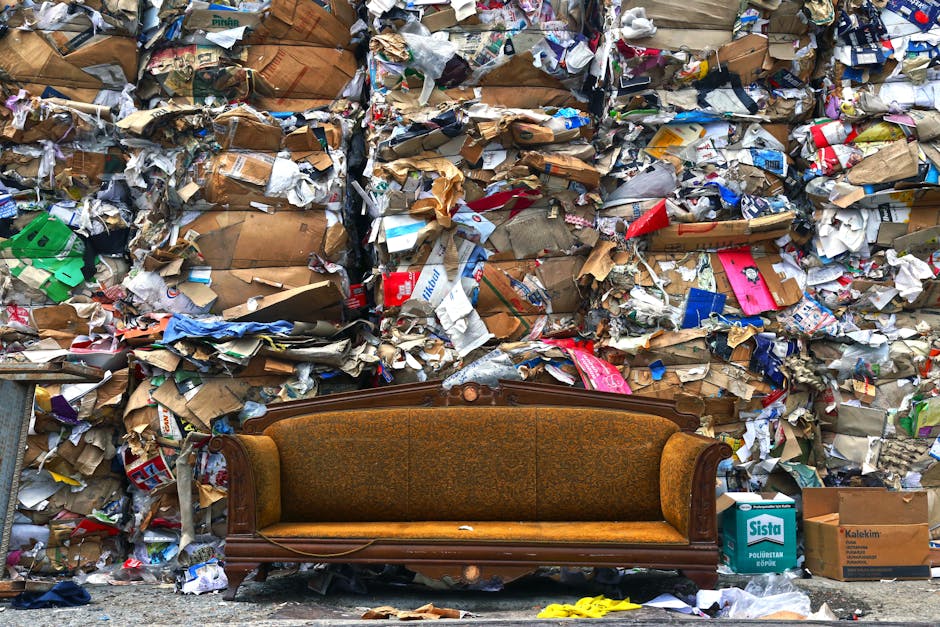
Avoid Kilburn fly-tipping fines: what to do with old sofas
If you have an old sofa leaning in the hallway, sitting in a backyard, or taking over the spare room, you are not alone. Sofas are bulky, awkward, and usually too heavy for a normal bin collection. That is where people in Kilburn often run into trouble: a quick fix turns into an illegal dump, and suddenly the cheap option becomes the expensive one. This guide on Avoid Kilburn fly-tipping fines: what to do with old sofas explains the safest, most practical ways to get rid of an unwanted sofa without causing a headache for yourself or anyone else.
Truth be told, most fly-tipping starts with convenience rather than bad intent. Someone leaves a sofa "just for a minute", a corner gets missed, or a trader offers to take it away and then dumps it down the road. A bit of local knowledge goes a long way here. You will find clear steps, legal and sensible disposal options, common mistakes to avoid, and a simple checklist you can use before the sofa leaves your home.
For readers comparing services and disposal routes, it can also help to look at related support such as rubbish removal services, waste collection, and house clearance if you are clearing more than one bulky item at once. A sofa on its own is one thing; a full room of clutter is another entirely.
Table of Contents
- Why avoiding fly-tipping fines matters
- How sofa disposal works in practice
- Key benefits and practical advantages
- Who this is for and when it makes sense
- Step-by-step guidance
- Expert tips for better results
- Common mistakes to avoid
- Tools, resources and recommendations
- Law, compliance, standards and best practice
- Options, methods and comparison table
- Case study or real-world example
- Practical checklist
- Conclusion
- Frequently asked questions
Why Avoid Kilburn fly-tipping fines: what to do with old sofas Matters
Old sofas are one of those items that look harmless until you try to move them. They are bulky, often stained or damaged, and rarely worth keeping "just in case". In Kilburn, where many homes are flats, maisonettes, or properties with limited storage, a sofa can block hallways, sit in a shared yard, or tempt people into leaving it by a bin store. That is exactly the kind of situation that can lead to fly-tipping complaints and enforcement action.
Fly-tipping is not just a visual problem. It creates trip hazards, can attract further dumping, and leaves neighbours dealing with the mess. If you are a tenant, letting agent, landlord, or homeowner, the risk is also reputational. Nobody wants to be the person whose sofa ended up outside the wrong property on a wet Thursday afternoon, smelling faintly of rain and old upholstery. Not exactly a proud moment.
The practical point is simple: the lawful route is usually easier than people expect. If you plan ahead, choose the right disposal method, and keep evidence of who collected the item, you reduce the risk of penalties and avoid the stress of last-minute decisions.
Key takeaway: the safest way to handle an unwanted sofa is to treat it as a bulky waste item, not as general rubbish. Once you start thinking that way, the right disposal route becomes much clearer.
How Avoid Kilburn fly-tipping fines: what to do with old sofas Works
The basic process is straightforward. First, identify the sofa type and its condition. Second, choose a legal disposal route. Third, make sure the item is handed over to a responsible collector, recycling service, reuse organisation, or authorised disposal point. Simple enough on paper, but the details matter.
In everyday terms, you are usually choosing between four broad routes: reuse, council collection, private removal, or self-delivery to an approved site. Each has pros and cons depending on whether the sofa is usable, how quickly you need it gone, and whether you are dealing with one item or several.
One important point: if you pay someone to take the sofa away, you still need to be careful. A low-price offer is not automatically a good deal if the person dumps it in a lane, alley, or on a street corner. To be fair, this is where a lot of people get caught out. Ask what happens to the item, whether the collector is licensed where relevant, and keep a receipt or message trail.
For more complex clearances, many people pair sofa removal with same day waste collection or office clearance if the furniture is coming out of a commercial space. That can save time, particularly if access is awkward or there are multiple items to move in one visit.
Key Benefits and Practical Advantages
Using a lawful sofa disposal method does more than keep you out of trouble. It usually saves time, reduces physical effort, and prevents awkward disputes with neighbours, landlords, or building managers. That matters more than people realise. A sofa left in a shared entrance can annoy everyone in the building within hours.
- Lower risk of fines or enforcement problems if the sofa ends up being dumped illegally by a third party.
- Cleaner property and shared spaces, which is especially useful in blocks of flats and narrow Kilburn streets.
- Better chance of reuse or recycling when the sofa is still in decent condition.
- Less lifting and less hassle if the collection is booked properly and access is arranged in advance.
- Clearer records for landlords, agents, and tenants who need proof the item was removed responsibly.
There is also a quieter benefit: peace of mind. Once the sofa is gone properly, you stop thinking about it. No more checking the window every time you hear a van outside. No more wondering if it will get dragged back into the building by mistake. That kind of mental relief is worth something, honestly.
Who This Is For and When It Makes Sense
This guidance is useful for a wide range of people in and around Kilburn. If any of the following applies, you are in the right place:
- you are replacing a sofa after a move, redecorating, or upgrading furniture
- you live in a flat with limited space for bulky waste
- you are a landlord clearing a tenancy end-of-occupation pile-up
- you manage a rental, HMO, or small commercial property
- you have inherited furniture during a probate clearance
- you need to remove a damaged, wet, broken, or infested sofa quickly
It makes sense to plan early if the sofa is too large for your vehicle, if you do not have help to lift it, or if your building has tight stairs and narrow landings. A corner sofa down a stairwell can turn into a minor logistical drama. Anyone who has tried to rotate one in a Victorian terrace will know exactly what that means.
If the sofa is still in good condition, reuse may be the best route. If it is damaged but clean, a specialist removal service may still be able to collect and process it efficiently. If it is heavily worn or contaminated, disposal needs a more careful approach.
Step-by-Step Guidance
1. Check whether the sofa can be reused
Before you jump straight to disposal, ask a simple question: could someone else use it? If the frame is solid, the fabric is clean enough, and there is no major damage, reuse may be the most sensible option. Small tears or faded fabric do not always rule it out. A sofa that is dated, but intact, can still have value.
If you are not sure, be honest. A sofa with broken springs, deep staining, or strong odours is unlikely to be suitable for reuse. Better to say so than pass on a problem. Nobody enjoys discovering a damp smell later.
2. Measure the sofa and check access
This sounds obvious, but people skip it all the time. Measure the width, height, and depth, then check doorways, stairwells, lifts, and turning points. If the sofa has removable legs or cushions, note that as well. A removal team can work much faster if they know what they are dealing with.
In a Kilburn flat, especially in older buildings, access can be the real challenge. Narrow halls, shared stairs, and tight entrances make planning more important than brute strength.
3. Choose the right disposal route
Once you know the sofa's condition and size, decide how it should leave the property. The main options are explained later in the comparison section, but the short version is this:
- Reuse if it is still in good condition
- Professional collection if you want convenience and a tidy handover
- Council or authorised bulky waste route if that is available and suitable
- Self-delivery if you have transport and time
4. Prepare the sofa for collection
Remove loose cushions, throws, and anything stored inside. If the sofa has sharp edges or damaged springs, mention that to the collector. Wipe away obvious mess if you can do so safely. A quick clean makes handling easier, and it is more respectful if the item is being reused.
If the sofa is going to a removal team, keep a clear path from the room to the exit. Shoes by the front door, pushchairs in the way, bikes across the hall - all of that slows things down. Little things, but they matter.
5. Keep proof of collection
Ask for confirmation that the sofa has been collected. A receipt, booking record, or written message is helpful. If anything goes wrong later, you have evidence that you arranged disposal responsibly. That is a small administrative step that can save a lot of trouble.
6. Follow up if the sofa was left temporarily outside
Sometimes properties have no space to keep a sofa indoors until collection day. If you must leave it outside briefly, keep it on your own property where possible, and do not place it on the pavement early. The less time it sits out, the better. Wet weather, curious passers-by, and the general chaos of London streets can make things messy quickly.
Expert Tips for Better Results
In our experience, the best sofa removals are the ones planned with boring precision. Boring is good here. Boring means fewer surprises.
- Photograph the sofa before collection so you have a record of its condition.
- Label whether it is reusable, repairable, or waste if you are dealing with more than one item.
- Book early in the week if you need a slot before the weekend rush.
- Ask about lifting and access if the sofa is in an upstairs flat or basement room.
- Separate other rubbish from the sofa so the collection stays focused and efficient.
- Be honest about weight and condition because a "light sofa" that is actually a sleeper sofa is not light at all. Not even close.
Another practical tip: if the sofa is water-damaged, mouldy, or infested, say so early. That changes the handling requirements and may affect whether it can be reused. It is much better to be upfront than to create a surprise for the person collecting it.
And one more thing. If you are a landlord or managing agent, create a standard end-of-tenancy process for bulky items. Even a short checklist helps. Tenancies end in a rush, and the last thing you need is someone guessing what counts as "leave it by the bins".
Common Mistakes to Avoid
A few mistakes keep turning up again and again. They are easy to make, which is why they are worth naming clearly.
- Leaving the sofa on the street too early. A sofa placed outside before collection can become a fly-tipping issue if the timing slips.
- Using an unverified collector. If you cannot tell where the sofa is going, that is a warning sign.
- Assuming someone else will deal with it. Flatmates, tenants, and landlords can all end up pointing fingers later. That helps nobody.
- Forgetting about access. A collection can fail if the sofa will not fit through the door or down the stairs.
- Mixing the sofa with general rubbish. That can make the job messier and may increase the cost.
- Not checking whether it could be reused. Good furniture sometimes gets thrown away when it could have had a second life.
There is also a softer mistake: waiting too long. Sofas tend to become "that thing in the corner" for weeks. Then months. Then everybody stops seeing it, which is somehow worse. If you want it gone, set a date and stick to it.
Tools, Resources and Recommendations
You do not need specialist equipment to dispose of a sofa properly, but a few practical tools make the job easier.
- Measuring tape for checking access and dimensions
- Phone camera for photos and proof of condition
- Dust sheets or gloves if the sofa is dirty or has been in storage
- Basic dolly or moving straps if you are shifting it a short distance yourself
- Booking confirmation or written receipt for record-keeping
If you are clearing more than one room, it can be useful to combine sofa removal with broader support like furniture disposal, mattress disposal, or garden waste removal where appropriate. That way you are not paying for repeated visits or creating multiple collection days for one tidy-up job.
For landlords and busy households, a one-stop approach is often the least stressful. One collection, one bill, one clear finish. Lovely, really.
Law, Compliance, Standards, or Best Practice
In the UK, fly-tipping is treated seriously because it affects public spaces, private land, and community safety. The exact enforcement response can vary by area and circumstance, so it is wise not to make assumptions. If a sofa is dumped illegally, the person responsible may face investigation or penalties, and property owners can get drawn into the issue if they cannot show they arranged legitimate disposal.
Best practice is simple: use a lawful route, keep evidence, and avoid handing waste to anyone who cannot explain where it goes. If you are using a removal company, a reputable operator should be willing to explain how the item will be handled. That does not mean every detail has to be formal or complicated. It just needs to be clear enough that you are not relying on hope.
For shared buildings, landlords, and managing agents, it is sensible to set expectations in writing. Tenants should know where bulky waste belongs, who is responsible for arranging removal, and what to do before leaving at the end of a tenancy. That kind of clarity prevents messy disputes later.
If a sofa contains hazardous materials, visible mould, pests, or broken sharp components, treat it carefully. Special handling may be needed. When in doubt, ask before moving it. No one needs a surprise scratch from a hidden spring at 8:30 in the morning.
Options, Methods, or Comparison Table
The best sofa disposal method depends on condition, urgency, budget, and access. This table gives a clear side-by-side view.
| Option | Best for | Pros | Cons |
|---|---|---|---|
| Reuse / donation route | Clean, usable sofas | Potentially the most sustainable choice; may help someone else | Not suitable for damaged, stained, or unsafe items |
| Council bulky waste service | Residents with eligible collections | Familiar, structured, often suitable for one-off items | Availability, timing, and item rules can vary |
| Private removal service | Busy households, flats, multiple items | Convenient, flexible, handles lifting and access | Costs vary; you need to choose a trustworthy provider |
| Self-delivery to an authorised site | People with a suitable vehicle and time | Direct control over the process | Requires transport, labour, and site access knowledge |
A quick rule of thumb: if the sofa is heavy, awkward, or located upstairs, a professional collection often makes the most sense. If it is still in very good condition, reuse should be considered first. If you can move it easily and have the right vehicle, self-delivery may be practical. Different homes, different realities.
Case Study or Real-World Example
A typical Kilburn scenario goes like this. A couple move out of a second-floor flat near a busy road. Their old two-seater sofa will not fit in the new living room, and the building's stairwell is narrow. They originally think about leaving it by the front entrance on moving day, but after a quick check they realise that would create exactly the sort of mess they want to avoid.
Instead, they measure the sofa, take photos, and book a collection that suits their move-out timetable. They remove the cushions, clear the hallway, and keep the booking confirmation on their phone. The sofa is taken away in one visit, and the flat is left clear for inspection. No drama, no awkward neighbour complaints, no sofa marooned outside in the rain. Simple, but effective.
What helped most was not some complicated disposal trick. It was timing, honesty about the item, and choosing a method that matched the building. That is usually the difference between a smooth job and a stressful one.
Practical Checklist
Use this before the sofa leaves your property.
- Confirm whether the sofa is reusable, repairable, or waste
- Measure the sofa and check doorways, stairs, and lift access
- Choose a legal disposal route
- Book a collection or arrange transport in advance
- Remove loose cushions, covers, and personal items
- Take photos of the sofa and booking details
- Keep proof of collection or disposal
- Do not place the sofa on the street too early
- Tell tenants, flatmates, or neighbours what is happening if needed
- Make sure the item is not left where it could be mistaken for fly-tipping
If you can tick all of those boxes, you are in a strong position. Not perfect, maybe, but safely on the right side of sensible.
Conclusion
Old sofas can be awkward, but they do not need to become a fly-tipping problem. The safest route is to treat disposal as a proper task: check the condition, choose the right method, arrange collection carefully, and keep a record. That is how you avoid unnecessary stress and reduce the risk of fines, complaints, or a sofa ending up where it should not be.
In Kilburn, where space is often tight and access can be a bit of a squeeze, a little planning makes a huge difference. Whether you are a tenant clearing out, a landlord between lets, or a homeowner replacing tired furniture, there is nearly always a better option than dumping the item or hoping it disappears on its own.
Get a free quote today and see how much you can save.
If you take one thing from this guide, let it be this: the right disposal choice is usually the calm one, not the rushed one. Deal with the sofa properly, and the rest of the day gets a lot easier.
Frequently Asked Questions
Can I leave an old sofa outside my house in Kilburn for collection?
Only if it is part of a properly arranged collection and you are confident it will not be left there longer than necessary. Leaving a sofa on the street without a clear plan can be treated as fly-tipping, especially if it blocks access or attracts further dumping.
What is the safest way to get rid of an old sofa?
The safest route is usually a lawful collection or authorised disposal method with proof of handover. If the sofa is still usable, reuse should be considered first. If it is not, choose a service that can collect it responsibly and explain where it goes.
How do I know if my sofa can be donated or reused?
Look at the frame, upholstery, smell, cleanliness, and overall condition. If it is structurally sound, clean, and free from major damage, reuse may be possible. If it has strong odours, mould, or serious wear, it is more likely to be disposal-only.
Will a private waste collector take my sofa?
Many will, but you should always check what they can accept and whether they are handling it lawfully. Ask for confirmation of collection and keep the receipt or booking record. That way you are protected if there is any later dispute.
What happens if someone dumps my sofa after collecting it?
If you hired an unverified collector and the sofa is later fly-tipped, you may need to show you arranged disposal responsibly. That is why records matter. A proper paper trail or message history can make a big difference.
Is it cheaper to take the sofa away myself?
Sometimes, yes, but only if you have the vehicle, lifting help, and time to do it properly. Once you factor in fuel, labour, and potential site fees, self-delivery is not always the cheapest choice in real life.
Can I break up the sofa and put it in normal rubbish bags?
Usually no, at least not in a quick or careless way. Sofas contain materials that do not belong in ordinary household waste, and breaking one down can create safety issues. If disassembly is needed, it should be done carefully and within the rules for your chosen disposal route.
How quickly can an old sofa be removed?
That depends on the collection method and how easy the access is. Some services can arrange fast turnaround, while others work to set collection slots. The more information you give upfront, the smoother and quicker it tends to be.
What should landlords do with sofas left behind by tenants?
Landlords should document the item, decide whether it can be reused, and arrange lawful removal if needed. It is also sensible to make bulky-waste responsibilities clear in advance so end-of-tenancy clearances are less messy.
Does a damaged sofa count as fly-tipping if it is left beside bins?
Yes, it can. A damaged item left beside bins without authorisation or a proper collection arrangement may still be treated as dumped waste. The state of the sofa does not make it okay to abandon it.
What if my sofa is too big to fit through the door?
Measure carefully before collection and ask whether legs, arms, or the back can be removed safely. If not, a professional removal team may have experience with awkward access and can advise on the best approach. Sometimes the route matters more than the sofa itself.
What is the best next step if I want the sofa gone this week?
Start by taking photos, measuring the item, and deciding whether it is reusable. Then compare lawful removal options and book the most practical one for your access and schedule. The sooner you act, the less likely the sofa is to become a problem sitting in plain sight.