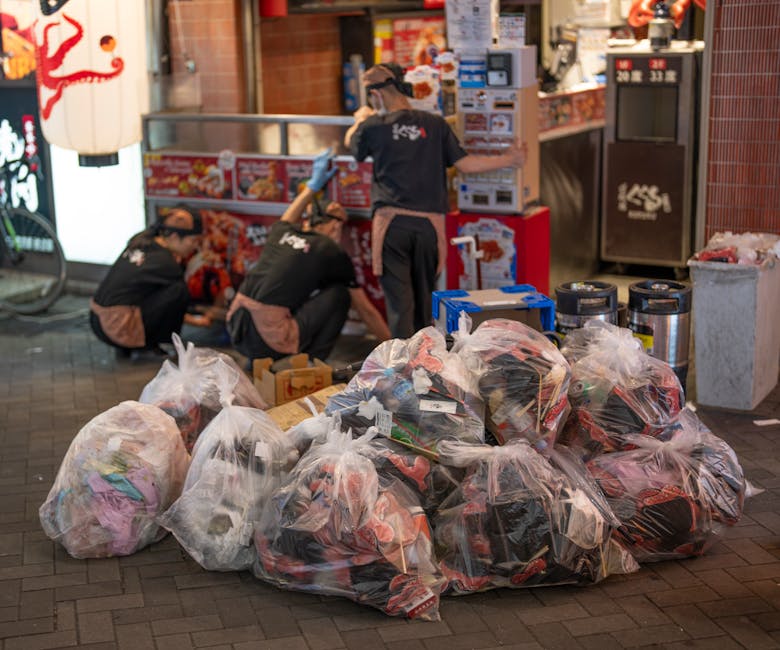
Kilburn High Road shop rubbish solutions for small businesses
If you run a shop on or near Kilburn High Road, rubbish has a habit of becoming everyone's problem at the busiest time of day. Cardboard piles up behind the till, broken packaging ends up in the stockroom, and a single bulky item can suddenly eat half your back-of-house space. Kilburn High Road shop rubbish solutions for small businesses are really about staying organised, keeping your premises presentable, and avoiding those awkward moments when waste starts affecting trade. This guide breaks down the practical options, the compliance angle, and the small details that make a big difference in a busy London shop.
Let's face it: most small businesses do not need a grand theory of waste management. They need something that works on a Tuesday afternoon when deliveries have arrived, customers are coming in and out, and the bins are already full. Below, you'll find a straight-talking overview of how shop rubbish removal works, when it makes sense, what to watch out for, and how to choose a solution that fits your space and budget.
Table of Contents
- Why Kilburn High Road shop rubbish solutions for small businesses Matters
- How Kilburn High Road shop rubbish solutions for small businesses Works
- Key Benefits and Practical Advantages
- Who This Is For and When It Makes Sense
- Step-by-Step Guidance
- Expert Tips for Better Results
- Common Mistakes to Avoid
- Tools, Resources and Recommendations
- Law, Compliance, Standards, or Best Practice
- Options, Methods, or Comparison Table
- Case Study or Real-World Example
- Practical Checklist
- Conclusion
- Frequently Asked Questions
Why Kilburn High Road shop rubbish solutions for small businesses Matters
Waste is one of those behind-the-scenes issues that only gets noticed when it goes wrong. On a high street like Kilburn High Road, where footfall can change quickly and shopfront space is often limited, rubbish can affect everything from customer impression to staff safety. A tidy entrance feels calm. A cluttered one feels stressful, even if the products are excellent.
For small businesses, rubbish control is not just about emptying bins. It touches stock handling, daily workflow, storage, hygiene, and even the confidence of your team. If the back room is jammed with cardboard or broken fixtures, people spend time stepping around things, lifting awkward loads, and improvising. That kind of workflow is inefficient at best, risky at worst.
There is also the local reality. Shops on busy London roads often operate in tight premises, with narrow stairways, limited loading space, and awkward access windows. A waste solution that works in a larger retail unit may be useless here. That is why a practical, location-aware approach matters so much. What you want is not just "waste removal". You want a routine that fits the way your shop actually runs.
And yes, rubbish can quietly cost money too. Missed collections, overfilled bins, and poor segregation can all lead to extra charges or avoidable hassle. In our experience, owners often notice the financial impact only after they've lost a few hours to clearing out a stockroom by hand. That's the expensive part most people don't see.
How Kilburn High Road shop rubbish solutions for small businesses Works
At a practical level, shop waste solutions usually work through a mix of separation, storage, collection, and disposal. Some businesses rely on council-style commercial arrangements or standard waste collection contracts. Others use a one-off or scheduled clearance service for bulky or irregular waste. The right approach depends on the type of rubbish you generate and how much room you have to hold it safely.
For a small shop, the process usually follows a simple pattern:
- Identify the waste streams. Cardboard, packaging, damaged stock, old shelving, broken displays, food waste if relevant, and general rubbish all need slightly different handling.
- Separate what can be recycled. Cardboard and certain packaging materials often take up the most space, so sorting early makes a real difference.
- Store waste safely and accessibly. The aim is to keep routes clear and avoid creating fire, pest, or trip hazards.
- Choose a collection method. That may be scheduled business waste removal, a one-off bulky item pickup, or an occasional clearance for larger jobs.
- Keep records and receipts. For business waste, documentation matters. It shows the waste was handled properly and gives you something to refer back to if you need it.
There is also a big difference between regular rubbish and occasional clearance jobs. A shop that receives daily deliveries may need a steady business waste removal arrangement. A shop that is refitting, changing displays, or clearing old stock may need a more flexible option, such as business waste removal or a broader clearance service like office clearance if the premises include an admin or stock office area.
One useful way to think about it: if waste is part of your weekly routine, treat it as an operating system. If it appears in bursts, plan for a quick-response clearance option. Simple, but it works.
Key Benefits and Practical Advantages
The best rubbish solution is the one that makes the shop easier to run, not harder. When waste is managed properly, the benefit shows up in small ways first. Staff stop moving boxes from corner to corner. Customers have a clearer path. The shop smells fresher. The back room feels like a working area again, not a storage cave.
- Better presentation: A clean frontage and uncluttered interior support customer confidence.
- More usable space: Removing surplus packaging and old stock frees up precious square footage.
- Safer staff movement: Clear floors and routes reduce trip risks and awkward lifting.
- Improved turnaround after deliveries: Packaging and transit waste can be cleared fast instead of building up.
- Fewer operational interruptions: Staff can focus on serving customers rather than managing rubbish.
- Cleaner compliance habits: Good waste routines make it easier to stay on the right side of business duties.
There's also a morale angle people overlook. A tidy shop feels more manageable. Teams work a little better when the space around them is calm and orderly. That doesn't sound dramatic, but in a small retail unit it matters. A lot.
For some businesses, the biggest advantage is flexibility. If you run a shop that gets random bursts of waste - seasonal stock, point-of-sale displays, damaged fittings - a solution that can scale up or down is far more useful than a one-size-fits-all arrangement. That is where a trusted waste service can save time, especially if you sometimes need help with items beyond standard bin waste such as bulky displays or old fixtures. Services like furniture disposal and furniture clearance can be helpful when shop layouts change.
Who This Is For and When It Makes Sense
These solutions are a good fit for small business owners who are managing waste in a constrained space and need a more reliable system than "we'll deal with it later". That includes convenience stores, salons, barbers, independent clothing shops, mobile phone repair counters, gift shops, small grocers, and any high street business that receives regular packaging and stock.
It also makes sense when your waste pattern is uneven. For example:
- You have heavy cardboard delivery days and quiet days in between.
- You are refurbishing part of the shop and need old fixtures taken away.
- You have limited bin access and collections are not enough.
- Your stockroom has become a temporary holding area for broken or outdated items.
- You are trying to reduce clutter before a busy trading period.
Truth be told, many shop owners do not notice the problem until it reaches the point where the waste is getting in the way of sales. A display stand that cannot be moved because boxes are in the corridor? That's when the penny drops. If that sounds familiar, you are probably already due a better system.
It is also relevant for businesses moving premises, closing down a unit, or clearing out after a seasonal peak. In those moments, ordinary bin collections rarely do the job. A more complete clearance approach is usually the safer bet, especially if you have mixed waste types or bulky items to remove.
Step-by-Step Guidance
If you want a shop waste setup that feels manageable instead of chaotic, start with a simple audit. No fancy spreadsheet needed. Just walk through the premises and look at where rubbish builds up, what gets thrown away, and what regularly causes a bottleneck.
1. Map the waste hotspots
Look at the stockroom, till area, unpacking zone, staff room, and any corridor or stairwell used for moving items. You will usually find the same two or three trouble spots again and again. Those are the places to fix first.
2. Separate regular waste from occasional waste
Regular waste includes daily or weekly cardboard, packaging, and general rubbish. Occasional waste includes broken shelving, old signage, fixtures, display materials, and end-of-line stock. The point is to avoid treating everything as the same problem. It isn't.
3. Decide what can be recycled
Recycling is not just a "good to have". For many businesses, it is the easiest way to reduce volume and keep costs under control. Flattening cardboard boxes, breaking down packaging, and storing recyclables separately can make the back room feel twice as big. Almost. Well, nearly twice as big on a Monday morning anyway.
4. Set a clear storage rule
Agree where waste can be kept temporarily and how long it can stay there. A small business does best with a rule everyone can remember. If waste is left to "wherever there's room", the room disappears.
5. Choose the right removal method
For recurring waste, a scheduled commercial collection may be the right fit. For bulkier, one-off, or irregular rubbish, a clearance service is often more efficient. If you are comparing broader waste support options, look at waste removal alongside more specific services such as builders waste clearance if your shop is undergoing work.
6. Review the result after a fortnight
Small systems need a tweak or two. After two weeks, check whether the volume, timing, and access arrangements are actually working. If not, adjust. A slightly imperfect system that gets used is better than a perfect one nobody follows.
Expert Tips for Better Results
Small business waste management gets easier when you make it boring - and by boring, I mean predictable. Predictable is good. Predictable saves time.
- Flatten cardboard immediately. It sounds obvious, but this one habit can transform storage pressure.
- Use one labelled holding point. A single staging area stops waste from spreading into customer-facing space.
- Keep bulky items separate. Old shelving, damaged counters, and broken displays should not sit with light packaging.
- Schedule removals before peak periods. Do not wait until the stockroom is bursting the night before a busy weekend.
- Train staff on what goes where. Even a short briefing prevents confusion and repeat mistakes.
- Watch access routes. Narrow stairwells and back entrances can make a simple clearance job much more awkward if items are allowed to pile up.
Another useful tip: build rubbish handling into delivery day. When cartons arrive, decide immediately what stays, what is recycled, and what goes. That one habit can stop waste from becoming a long-term storage problem. It is a tiny thing, but honestly, tiny things save businesses.
If your shop regularly deals with mixed materials, it can also help to keep a small, visible reminder near the unpacking area. A simple note like "flatten, sort, store, remove" is enough. Not glamorous. Very effective.
Common Mistakes to Avoid
The most common mistake is waiting too long. Waste solutions often get sorted only after clutter has already started to affect customers or staff. That delay usually makes the job harder and sometimes more expensive, because access becomes awkward and the waste pile grows into mixed material.
Another mistake is using the wrong service for the job. A regular bin arrangement is not always enough for bulky shop waste, and a one-off clearance may be overkill if your waste is mainly packaging. Matching the method to the waste type saves effort.
- Ignoring recycling opportunities: This can inflate the amount of general waste you need to remove.
- Mixing hazardous or specialist items with normal waste: Some items need separate handling and should never just be dumped with ordinary rubbish.
- Letting waste block fire exits or walkways: That creates safety and compliance problems quickly.
- Not checking access before booking a removal: A van may be booked, but if the route is blocked, the job becomes slower for everyone.
- Forgetting documentation: For business waste, records matter more than people think.
There is also the "we'll sort it at close of business" habit. Sometimes that works. Often it doesn't. Closing time arrives, the team is tired, and the rubbish is still there. If that sounds a bit too familiar, you're not alone.
Tools, Resources and Recommendations
You do not need a complicated toolkit to manage shop rubbish well. Most of the heavy lifting comes from simple physical and organisational tools that keep waste controlled before it turns messy.
| Tool or resource | What it helps with | Best used for |
|---|---|---|
| Cardboard cutter or box knife | Breaking down delivery packaging quickly | Daily stock unpacking |
| Labelled waste sacks or bins | Separating general waste from recyclables | Back-of-house organisation |
| Foldable trolley | Moving bulky waste safely | Small stockrooms and tight corridors |
| Waste log or simple checklist | Tracking what goes out and when | Compliance and routine control |
| Clearance service support | Removing bulky, irregular, or mixed waste | Refits, stock changes, and one-off clear-outs |
For many small businesses, the most useful "resource" is actually a good service relationship. It helps to know who to call when things are suddenly busy or when a stockroom clear-out needs to happen quickly. If you are comparing broader service pages, pricing and quotes can be useful when planning budgets, while recycling and sustainability is worth reading if you want to improve your disposal habits over time.
A final practical note: keep contact details and booking information somewhere obvious for staff who actually deal with deliveries and waste. Not buried in a random folder. Frontline convenience matters more than fancy admin ever will.
Law, Compliance, Standards, or Best Practice
Waste from a business premise is not the same as household rubbish, and that distinction matters. In the UK, businesses generally have a duty to manage their waste properly, use authorised carriers, and keep appropriate records where required. The exact requirements can vary depending on the waste type and the arrangements in place, so it is sensible to be cautious rather than casual.
For small retailers, the practical compliance basics usually include:
- keeping business waste separate from domestic waste where relevant;
- storing waste safely so it does not create hazards;
- using a provider that can handle waste lawfully;
- retaining evidence of collection or disposal where appropriate;
- handling specialist items, hazardous materials, or damaged electricals carefully.
Health and safety is part of this too. Heavy items, sharp packaging straps, broken fittings, and blocked exits can all create risks. If your team is carrying waste through narrow shop space, think about manual handling and route safety. It only takes one awkward lift to remind everyone why a proper process matters.
If you want a clearer view of the standards behind safe handling, the company's health and safety policy and insurance and safety information are worth reviewing. For broader compliance context, you may also find the article on Kilburn commercial waste compliance, licences and penalties useful as a practical explainer.
Best practice is simple enough: separate waste, store it safely, document what leaves the site, and do not assume every removal route is suitable for every item. The detail matters. Always does.
Options, Methods, or Comparison Table
Different shop waste problems call for different solutions. A corner convenience store with daily cardboard has very different needs from a boutique doing a mini refit. Here's a straightforward comparison to help you think it through.
| Method | Best for | Pros | Possible drawbacks |
|---|---|---|---|
| Regular business waste collection | Ongoing everyday rubbish and packaging | Predictable, routine, easy to plan around | May not suit bulky or irregular waste |
| One-off waste removal | Occasional clear-outs or short-term surges | Flexible, quick, ideal for sudden jobs | Less efficient if used for constant waste |
| Bulky item clearance | Old fixtures, counters, shelving, display units | Useful for space recovery and refits | Needs access planning and item preparation |
| Recycling-led sorting | Cardboard-heavy shops and unpacking zones | Reduces general waste volume | Requires staff consistency |
In practical terms, many small shops use a combination. For example, regular collection for packaging and daily rubbish, then a clearance service when it's time to remove old furniture or displays. That mixed approach is often the sweet spot. Not fancy. Just sensible.
If you are unsure whether your problem is "every week" waste or "every now and then" waste, start by tracking what gets thrown away for two weeks. The pattern usually reveals itself quickly.
Case Study or Real-World Example
Picture a small independent shop on a busy stretch near Kilburn High Road. Deliveries arrive mid-morning, staff unpack stock behind the counter, and cardboard starts stacking up before lunch. There is also an old display unit in the back room, a broken shelf leaning against the wall, and a couple of bags of mixed packaging that never quite made it to the bin.
Nothing dramatic. Just the sort of everyday clutter that grows quietly. By Friday, the stockroom is hard to move through. Staff are stepping around boxes. The shop manager keeps saying they'll deal with it after closing, but the evenings are always rushed. Sound familiar? It often does.
The fix in this sort of situation is usually straightforward:
- flatten and separate cardboard as it arrives;
- move broken or obsolete fixtures into one clearly marked area;
- book a removal that can handle mixed bulky items, not just sacks of waste;
- create a weekly reset point so the stockroom doesn't drift back into clutter.
After that, the difference is mostly about momentum. The space feels easier to work in, staff stop wasting time navigating around piles, and the shop looks more intentional. Not perfect. Just better. And better is often all a small business needs to start breathing again.
Practical Checklist
Use this quick checklist before you book or redesign your rubbish routine:
- Have you identified all the waste types your shop produces?
- Are cardboard and packaging being flattened and separated early?
- Is there a single, safe temporary storage point for waste?
- Are any walkways, exits, or staff routes being blocked?
- Do you know which items are bulky, specialist, or awkward to remove?
- Have you matched the waste method to your actual volume and frequency?
- Do staff know what goes where?
- Do you have a record or receipt system for collections?
- Have you checked access for removal, including stairs, rear entrances, and loading points?
- Have you reviewed whether a recycling-first approach could reduce your costs?
Expert summary: the best rubbish solution for a Kilburn High Road shop is usually the one that keeps the space clear, the team moving, and the waste stream simple. If it is easy to use, people will use it. If it is awkward, it will be ignored. Human nature, really.
Get a free quote today and see how much you can save.
Conclusion
Kilburn High Road shop rubbish solutions for small businesses are not about overcomplicating waste. They are about making shop life smoother, safer, and less cluttered. Once you have the right process in place, the benefits show up quickly: more room, fewer delays, cleaner presentation, and less pressure on staff.
The real trick is to choose a method that fits your space and your trading pattern. Regular waste, bulky items, recycled packaging, one-off clear-outs - each of these needs a slightly different answer. When you match the solution to the problem, everything gets easier. That is the honest version, and usually the useful one.
If your shop has been living with "temporary" waste for too long, now is a good moment to reset the system. A tidy back room, a clear route, and a workable removal plan can make the whole business feel lighter. Small improvement, big relief.
And sometimes that little bit of relief is exactly what a busy shop needs to keep going well.
Frequently Asked Questions
What are Kilburn High Road shop rubbish solutions for small businesses?
They are practical ways for local shops to manage everyday waste, packaging, and bulky items without letting rubbish overwhelm the premises. The idea is to keep the business tidy, safe, and easy to run.
Do small shops need a different waste approach from larger businesses?
Yes, usually. Small shops often have tighter storage, less loading space, and more pressure on back-of-house areas, so the waste solution has to be simpler and more flexible.
What type of waste do shops on Kilburn High Road usually produce?
Most produce cardboard, product packaging, damaged stock, general rubbish, and sometimes bulky items like fixtures or shelving. Some also deal with specialist waste depending on the business type.
How often should a small business arrange rubbish removal?
That depends on volume. Busy shops may need regular collections, while others only need occasional clearances for bulky or seasonal waste. A short waste audit usually makes the answer obvious.
Is cardboard recycling really worth the effort?
Usually yes. Cardboard takes up a lot of space, and flattening it early can make a stockroom far easier to manage. It also helps reduce the amount of general waste you need to remove.
What should I do with old shop furniture or display units?
Those items are usually best handled as bulky waste or furniture clearance rather than being left with ordinary rubbish. If they are large, awkward, or heavy, plan removal carefully.
How do I know if my waste setup is compliant?
Look for the basics: separate business waste properly, keep it stored safely, use a legitimate waste carrier, and keep records where appropriate. If in doubt, review your internal process and ask questions before booking a collection.
Can rubbish problems affect customer experience?
Absolutely. Overflowing waste, cluttered walkways, or a messy frontage can make the shop feel less welcoming. Even if customers do not mention it, they notice.
What is the biggest mistake small businesses make with shop waste?
Leaving it until the space is already overloaded. Once waste starts blocking access or building up in mixed piles, the job becomes slower and more stressful.
Should I choose a regular collection or a one-off clearance?
If your waste is constant and predictable, regular collection often works best. If the rubbish appears in bursts, such as after deliveries or during a refit, a one-off clearance may be the better fit.
How can I reduce rubbish without changing how the shop operates?
Start by flattening cardboard, separating materials properly, and creating one temporary waste point. Those three steps alone often cut clutter and make day-to-day work easier.
What if my shop has tight stairs or awkward access?
Then access planning becomes especially important. Measure routes, identify any pinch points, and keep waste in manageable piles so it can be removed safely without turning into a mini obstacle course.
Where can I learn more about business waste and related services?
You can explore service pages such as business waste removal, waste removal, and recycling and sustainability for more background and practical context.